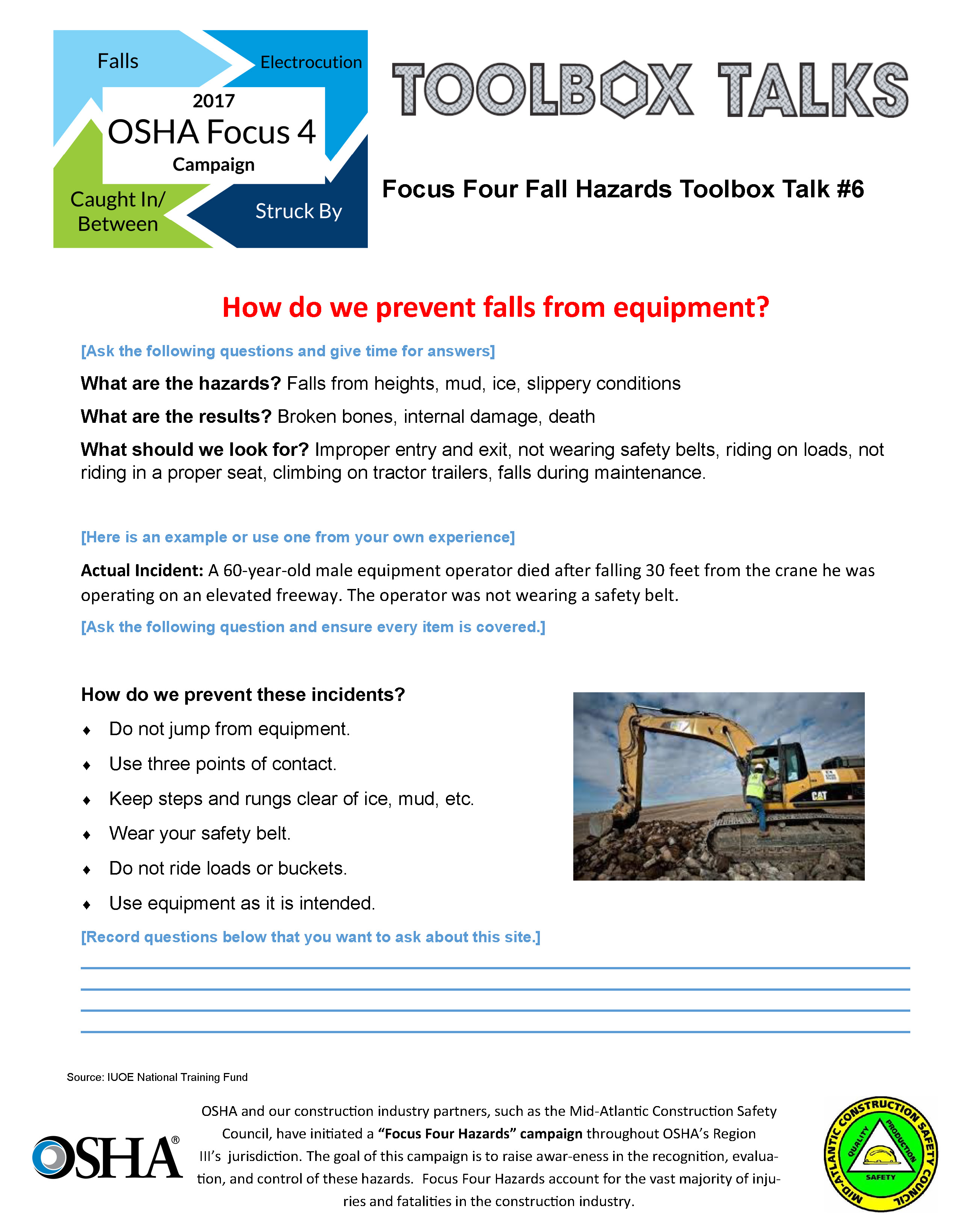
Workers gather in a parking lot at dawn, hard hats in hand, waiting for the morning crew chief to speak. The topic? Falls from elevation. One worker shares a close call from last week. Another asks about anchor point spacing. The conversation is real, urgent, and could save a life. This is the power of a well-run toolbox talk—short, focused safety discussions that reinforce protocols, address hazards, and create a culture of accountability.
Yet too many supervisors skip these meetings or wing them without structure. That’s where free printable toolbox talks safety topics come in. These ready-to-use templates help safety officers, foremen, and team leads run consistent, compliant, and impactful discussions—without starting from scratch.
Whether you're in construction, manufacturing, utilities, or maintenance, having a library of printable safety topics means you’re never unprepared. This guide breaks down how to use them effectively, where to find the best free resources, and what topics matter most on real job sites.
Why Printable Toolbox Talks Work Where Other Safety Efforts Fail
Safety training often fails because it’s too generic or one-size-fits-all. A two-hour annual course on hazard communication doesn’t stick when a worker is 30 feet up a ladder deciding whether to tie off.
Toolbox talks succeed because they’re: - Timely – delivered right before the task begins. - Specific – focused on a single hazard or procedure. - Interactive – designed to provoke questions and discussion. - Reinforcing – repeated often to build muscle memory.
Printable versions make these talks repeatable and standardized. A supervisor can pull a PDF on “hand tool safety,” print five copies, and conduct the meeting in under 10 minutes. Workers sign an attendance sheet, the document gets filed, and compliance records stay intact.
Without printable templates, many teams either skip talks or rely on inconsistent verbal briefings—both of which leave liability gaps during OSHA inspections.
Top 5 Free Toolbox Talk Providers (With Print-Ready PDFs)
Not all free resources are created equal. Some offer poorly formatted Word docs. Others bury useful content behind email gates. The best providers deliver clean, professionally designed PDFs you can print, use, and file immediately.
Here are five reliable sources for free printable toolbox talks:
| Provider | Key Features | Topics Covered | Print-Ready Format |
|---|---|---|---|
| OSHA.gov | Government-backed, legally sound, compliant with regulations | Fall protection, PPE, electrical safety | Yes – downloadable PDFs |
| SafetyInfo.com | Veteran-created, field-tested topics, real-world tone | Confined space, rigging, welding | Yes – printer-friendly layouts |
| Creative Safety Supply | Visual-heavy, includes diagrams and checklists | Fire safety, forklifts, lockout/tagout | Yes – branded but usable |
| SafetyNow ILT | Short scripts with discussion prompts and sign-off sheets | Heat stress, ladder safety, ergonomics | Yes – structured one-pagers |
| HardHatTrainer.com | Frequent updates, mobile-friendly downloads | Scaffolding, silica exposure, cold stress | Yes – clean, ad-free PDFs |

Each of these offers at least 20+ free topics. OSHA’s site is the gold standard for regulatory alignment. SafetyInfo.com stands out for its no-fluff, contractor-friendly language. For teams that want visuals, Creative Safety Supply includes diagrams that help explain complex hazards.
Pro tip: Download and organize these by category in a shared folder. Label files clearly—e.g., “04- Electrical Safety – Lockout Tagout.pdf”—so anyone can find them fast.
Most Critical Safety Topics That Should Be in Every Library
Not all toolbox talks are equally urgent. Some hazards cause more injuries, fatalities, or OSHA citations. Prioritize printable topics that target high-risk areas.
1. Fall Protection (Leading Cause of Fatalities) A worker steps onto a roof without guardrails. No harness. No training. Falls happen fast. A printable talk should cover: - Proper use of harnesses and lanyards - Inspection of anchor points - Distance to lower levels (6’ rule) Include a quick checklist: “Before every lift: inspect harness, test anchor, verify clearance.”
2. Hand and Power Tool Safety One in four construction injuries involves tools. A free template should address: - Inspecting cords and guards - Using PPE (gloves, eye protection) - Storing tools properly
Mention real mistakes: using a screwdriver as a chisel, removing safety guards to “save time.”
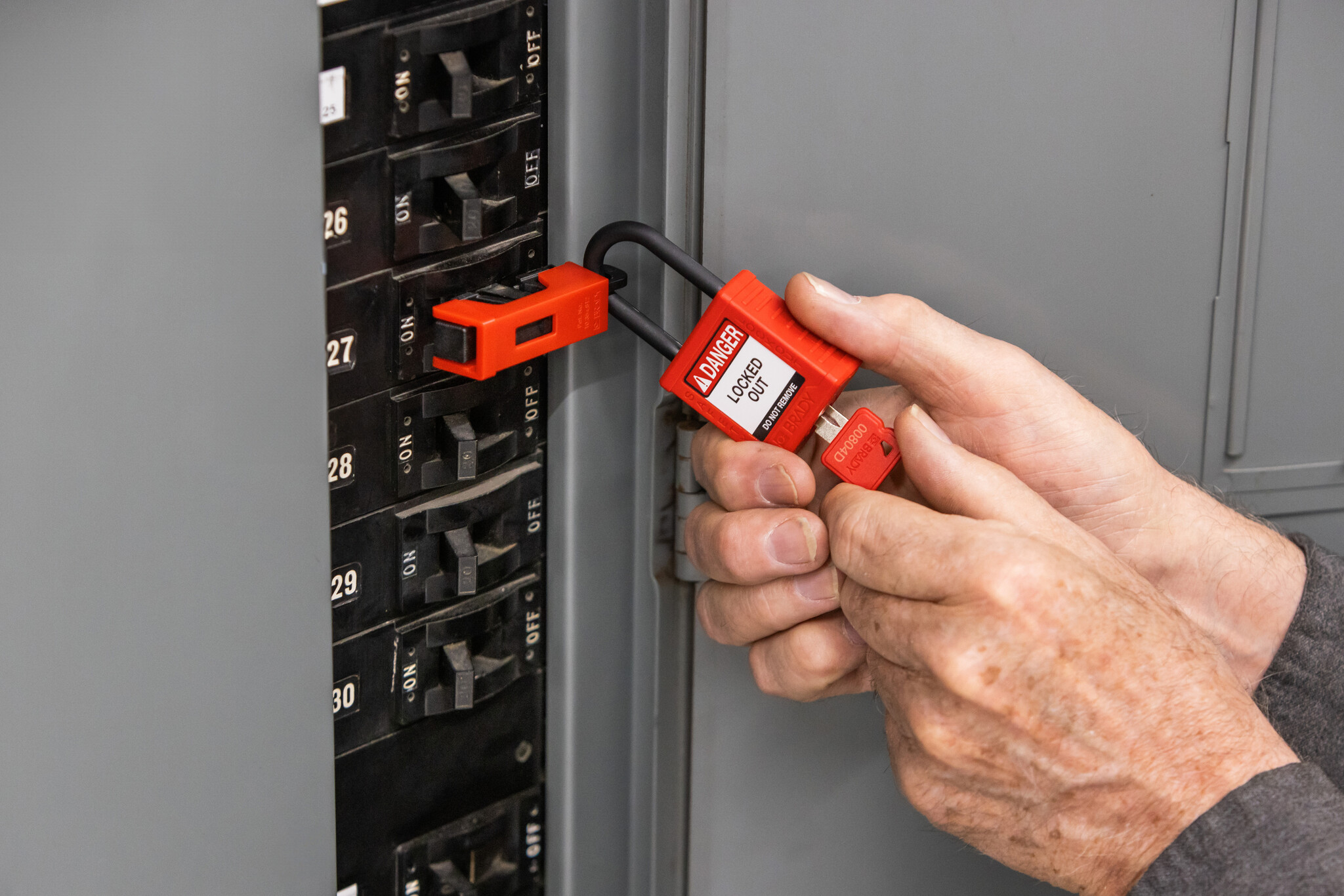
3. Electrical Hazards From overhead lines to faulty extension cords, electricity kills silently. A strong printable topic includes: - Minimum approach distances - GFCI requirements - Lockout/tagout basics
Add a warning: “If you see a downed line, assume it’s live. Mark the area and call for help.”
4. Struck-By and Caught-Between Hazards Backover incidents, pinch points, and trench collapses are preventable. The talk should cover: - Flagging blind spots on equipment - Using spotters - Trench shoring requirements
Use a case example: “In 2022, a worker was killed when a trench wall collapsed. No shoring was used.”
5. Hazard Communication (HazCom) Workers mixing chemicals without knowing the risks. A printable talk must clarify: - Reading SDS (Safety Data Sheets) - Understanding GHS pictograms - Proper labeling
Include a sample label breakdown so teams can practice decoding real containers.
These five topics cover the majority of OSHA’s “Fatal Four” and should be rotated monthly—or more often in high-turnover environments.
How to Run a Toolbox Talk That Actually Engages Workers
Printing a PDF is easy. Getting people to listen? That’s the real challenge.
Too many safety talks are monologues. A supervisor reads from a sheet. Workers nod. No one remembers a word.

To make it stick: - Start with a story. “Last Tuesday, a guy in Texas lost three fingers using a table saw. He wasn’t wearing a push stick. Could that happen here?” - Ask questions. “Who here has seen a damaged extension cord used on site? What did you do?” - Use visuals. Print an image of a cracked hard hat or frayed cable. Hold it up. - Keep it under 10 minutes. Respect workers’ time. - Sign and file. Use the printable attendance sheet. Proof of training matters during audits.
One foreman in Ohio runs “near-miss Mondays.” Every week, he prints a new topic and starts by asking, “Who had a close call this past week?” That personal hook doubles engagement.
Also, don’t assume one talk per month is enough. High-risk tasks demand pre-task briefings. Before any excavation, print and discuss the trench safety talk—even if it’s the same one used last month.
What to Avoid: Common Mistakes
with Free Toolbox Talks
Even with good templates, teams make missteps that weaken safety culture.
1. One-and-Done Mentality Running a fall protection talk in April and checking the box for the year is useless. Hazards don’t expire. Rotate topics quarterly and revisit critical ones monthly.
2. Skipping Sign-Offs No signature = no proof. Always use the printable attendance sheet. File it by date. Digital backups are smart, but printed copies satisfy OSHA on-site.
3. Using Outdated Templates OSHA standards evolve. A 2016 lockout/tagout talk may miss recent clarifications. Stick to providers that update content regularly. Check revision dates.
4. Ignoring Site-Specific Risks A generic “heat stress” talk won’t cover your crew working in asphalt paving at noon. Customize printables. Add local weather data, break schedules, or water station locations.
5. Letting the Same Person Lead Every Time Rotate facilitators. Have a lead carpenter run a talk on scaffold safety. A new hire leads one on PPE. Ownership increases buy-in.
Making Printable Talks Part of Your Safety Workflow
The best systems bake toolbox talks into daily operations.
Morning Meeting Integration Start each day with a 5–10 minute safety moment. Print the topic the night before. Keep a binder in the trailer labeled “Weekly Safety Talks” with tabs by category.
Task-Based Trigger System Link talks to specific jobs: - Before any hot work → Fire Prevention talk - Before working over 6’ → Fall Protection talk - Before digging → Excavation Safety talk
Print and conduct on the spot.
Digital + Physical Hybrid Store PDFs in a cloud folder (Google Drive, Teams) for access. But always print for the meeting. Paper avoids device distractions and allows markup.
One electrical contractor prints talks on colored paper—red for high-risk topics, yellow for medium, green for routine. Workers instantly recognize the urgency.
Free printable toolbox talks are more than just documents. They’re force multipliers for safety culture. When used consistently, they reduce incidents, strengthen compliance, and show workers the company cares.
The best templates are clear, actionable, and easy to deliver. Use trusted sources like OSHA and SafetyInfo.com. Focus on high-risk topics. Customize when needed. And never treat them as a paperwork exercise.
Print one today. Run the talk tomorrow. Save a life this week.
Action Step: Download three high-priority topics (fall protection, electrical safety, hand tools) tonight. Print and use one each day this week. Sign, file, and repeat.
FAQ
What should you look for in Free Printable Toolbox Talks Safety Topics for Worksite Teams? Focus on relevance, practical value, and how well the solution matches real user intent.
Is Free Printable Toolbox Talks Safety Topics for Worksite Teams suitable for beginners? That depends on the workflow, but a clear step-by-step approach usually makes it easier to start.
How do you compare options around Free Printable Toolbox Talks Safety Topics for Worksite Teams? Compare features, trust signals, limitations, pricing, and ease of implementation.
What mistakes should you avoid? Avoid generic choices, weak validation, and decisions based only on marketing claims.
What is the next best step? Shortlist the most relevant options, validate them quickly, and refine from real-world results.