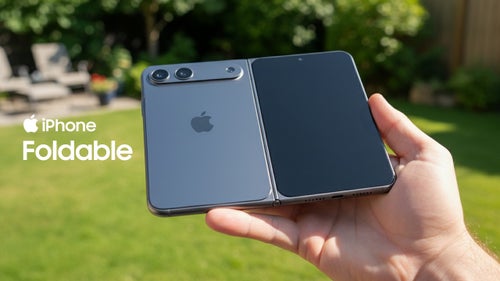
Apple’s rumored foldable iPhone Ultra isn’t just another smartphone—it’s a statement. A challenge to Samsung’s long-standing dominance in the foldable space. But with high expectations comes high risk. If Apple rushes the device to market without solving fundamental issues, the launch day could become a PR stumble rather than a triumph. Early leaks suggest the foldable iPhone Ultra may carry unresolved problems that could frustrate users from day one.
Unlike iterative upgrades, foldable devices demand entirely new engineering approaches. Apple, known for polish over speed, might be under pressure to catch up. That urgency could lead to cutting corners—something the brand rarely does. The result? A premium-priced device that falters under real-world use.
Let’s break down the most likely problems the foldable iPhone Ultra could face on launch day—and why they matter to consumers and the broader smartphone market.
Build Quality and Durability Concerns
Foldable screens are inherently fragile. Even Samsung, after seven generations of Galaxy Z Fold devices, still advises caution around dust, water, and excessive pressure. Apple’s design ethos emphasizes sleekness and thinness—two traits that often compromise structural durability.
Leaks suggest the foldable iPhone Ultra might use an ultra-thin glass (UTG) layer over a flexible OLED. While this improves clarity and scratch resistance, the hinge mechanism remains a weak point. Early prototypes reportedly struggled with crease visibility after minimal use. Real users won’t be testing in climate-controlled labs. They’ll be stuffing the phone into pockets, dropping it on pavement, or leaving it in hot cars.
If the first batch develops screen delamination or hinge wobble within weeks, returns and negative reviews could snowball. Remember the iPhone 4’s “Antennagate”? A single hardware flaw amplified by social media can tarnish a product’s reputation for years.
App Optimization Gaps
A stunning foldable screen means nothing if apps don’t use it well. Samsung spent years convincing developers to adapt their apps for larger foldable canvases. Even now, some apps still don’t scale properly or offer split-screen functionality.
Apple’s tightly controlled ecosystem could help—or hurt—here. On one hand, iOS’s uniformity makes optimization easier. On the other, Apple’s App Store review process doesn’t currently mandate foldable-specific layouts. If the foldable iPhone Ultra launches with an 8-inch screen but most apps default to letterboxed iPhone views, users will feel ripped off.
Consider this: you open Notes in tablet mode, expecting a split view for writing and reference, but it stretches awkwardly like an iPad app forced onto a different aspect ratio. Or Safari opens full-width but doesn’t reflow text properly, forcing excessive zooming. These aren’t bugs—they’re usability failures.
Apple could mitigate this by releasing developer kits early and enforcing UI guidelines. But if they delay those tools or soft-pedal enforcement, the software experience will look amateurish next to mature Android foldables.
Battery Life May Fall Short
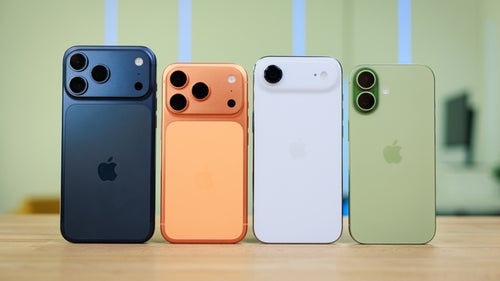
More screen = more power draw. That’s basic physics. The foldable iPhone Ultra will likely pack a larger display than any current iPhone, but Apple may hesitate to sacrifice thinness for battery size. Early estimates suggest a 4,000mAh battery—smaller than the Galaxy Z Fold 5’s 4,400mAh unit.
Push that power through a high-refresh-rate foldable OLED, 5G connectivity, and A-series chip performance, and you’ve got a recipe for midday charging anxiety. Users who expect all-day endurance from a $2,000 phone will be disappointed.
Worse, folding mechanisms take up internal space. That limits battery placement options. Apple might use dual-cell or L-shaped batteries—a trick Samsung employs—but thermal efficiency drops when cells are split. Heat buildup in the hinge area could trigger throttling or long-term degradation.
Real-world case: a business traveler unfolds the device on a flight to edit a Keynote presentation. After 90 minutes of continuous use, the battery drops to 30%, and the device grows noticeably warm near the spine. That’s not just inconvenient—it’s a trust issue.
High Price Could Limit Early Adoption
Rumors place the foldable iPhone Ultra’s starting price between $2,199 and $2,499. That’s not just premium—it’s luxury-tier. For comparison, the iPhone 15 Pro Max starts at $1,199. Doubling the cost demands double the value.
But what do users actually gain? A screen that folds? A device that’s bulkier when open and thicker when closed? Consumers aren’t paying for novelty—they’re paying for utility. If the foldable iPhone Ultra doesn’t offer clear productivity or lifestyle advantages over a Pro Max and iPad combo, adoption stalls.
Early adopters will buy it. Tech enthusiasts, Apple loyalists, status seekers. But mainstream users will wait. Especially when refurbished Galaxy Z Folds now sell for under $1,200. Apple’s pricing strategy may inadvertently position the device as a niche gadget rather than a generational leap.
Supply Chain and Availability Issues
Apple’s manufacturing scale is unmatched. But foldable displays are different. They require precise lamination, specialized hinge assembly, and rigorous quality control. Yield rates for foldable OLEDs remain low—even Samsung discards a significant portion of panels during production.
If Apple partners with a single supplier like LG Display or a secretive internal unit, any hiccup in production could cause launch delays or regional shortages. Imagine pre-orders opening, only to see estimated shipping dates pushed to months out.
This isn’t hypothetical. The iPhone X faced similar issues in 2017 due to Face ID sensor shortages. If the foldable iPhone Ultra repeats that pattern, competitors gain breathing room. Samsung and Google can highlight their reliable availability, while Apple scrambles.
Thermal Management in Thin Form Factors
Performance throttling isn’t just a battery issue—it’s a thermal one. The A-series chip will deliver desktop-level performance, but dissipating heat in a dual-screen, ultra-thin chassis is a nightmare.
Foldable phones often trap heat in the hinge area where airflow is minimal. Without proper vapor chambers or graphite sheets, the device could overheat during gaming, video calls, or multitasking.

Test scenario: a user runs FaceTime on the outer screen while streaming video on the inner display. Within minutes, the device alerts: “Performance reduced to manage heat.” That’s not just annoying—it breaks the promise of seamless continuity that Apple prides itself on.
Competition Already Has a Head Start
Samsung has shipped over 40 million foldables since 2019. They’ve iterated on software, hardware, and user education. Google’s Pixel Fold, while late, offers tight Android integration. Even Oppo and Honor have carved niches with innovative designs.
Apple enters as the latecomer. That means users won’t cut them slack. Any flaw—be it a visible crease, slow app launch, or flimsy feel—will be magnified. The tech press won’t say, “It’s their first try.” They’ll compare it directly to the Galaxy Z Fold 6.
And in that comparison, Apple might lose on specs: thinner bezels on Samsung, S Pen support, more durable Armor Aluminum frames. If Apple doesn’t bring something transformative—like a revolutionary hinge, game-changing material, or AI-powered multitasking—why switch?
Market Perception Could Work Against Apple
Apple’s brand strength is a double-edged sword. Customers expect perfection. When Apple falters—Batterygate, Butterfly Keyboard, Maps fiasco—the backlash is severe.
The foldable iPhone Ultra won’t be seen as an experiment. It’ll be judged as a flagship statement. If early units fail durability tests, app performance lags, or battery life disappoints, the narrative shifts fast. “Apple’s first foldable is broken” spreads quicker than “Apple is learning.”
Social media fuels this. A single viral TikTok showing a creased screen after one week could tank preorder numbers. Apple’s usual strategy—refine over generations—doesn’t work when the first impression is negative.
Final Verdict: Can Apple Avoid Launch Day Trouble?
Yes—but only if they prioritize function over form, delay launch until software and supply chains are ready, and set realistic expectations. Rushing to market to chase trends will backfire.
The foldable iPhone Ultra must do more than fold. It needs to redefine productivity, media, and personal computing in a way that feels uniquely Apple. Otherwise, it becomes a costly curiosity rather than a category killer.
For consumers: wait for reviews. Don’t pre-order blindly. For Apple: resist the urge to rush. Get it right, or don’t ship it at all.
5 Common Mistakes to Avoid with a Foldable iPhone Ultra (If It Launches)
- Using non-approved screen protectors – May interfere with touch sensitivity or crease integrity.
- Exposing it to sand or dust – Particles can damage the hinge or scratch the inner display.
- Forgetting the bulk – It won’t fit in slim pockets or small bags when folded.
- Assuming all apps are optimized – Many will still run in phone mode, wasting screen space.
- Skipping the case – Even with Ceramic Shield, the folding mechanism needs protection.
Workflow Tip: If you’re considering using the foldable iPhone Ultra as a productivity tool, test multitasking with Split View and Stage Manager early. Many users overestimate how much they’ll use the large screen—real usage often reverts to single apps.
Final Thought
The foldable iPhone Ultra has the potential to redefine mobile computing. But potential means nothing if launch day exposes unresolved flaws. Apple must balance innovation with reliability. Because in the world of high-stakes tech, first impressions aren’t just lasting—they’re viral.
FAQ
What should you look for in Foldable iPhone Ultra Launch Day Problems Could Delay Adoption? Focus on relevance, practical value, and how well the solution matches real user intent.
Is Foldable iPhone Ultra Launch Day Problems Could Delay Adoption suitable for beginners? That depends on the workflow, but a clear step-by-step approach usually makes it easier to start.
How do you compare options around Foldable iPhone Ultra Launch Day Problems Could Delay Adoption? Compare features, trust signals, limitations, pricing, and ease of implementation.
What mistakes should you avoid? Avoid generic choices, weak validation, and decisions based only on marketing claims.
What is the next best step? Shortlist the most relevant options, validate them quickly, and refine from real-world results.